
CTPM AI KNOWLEDGE

Understand AI. Apply it with control.

Evidence-based answers for enterprises, with practice examples, review criteria, transfer artefacts and named primary sources.

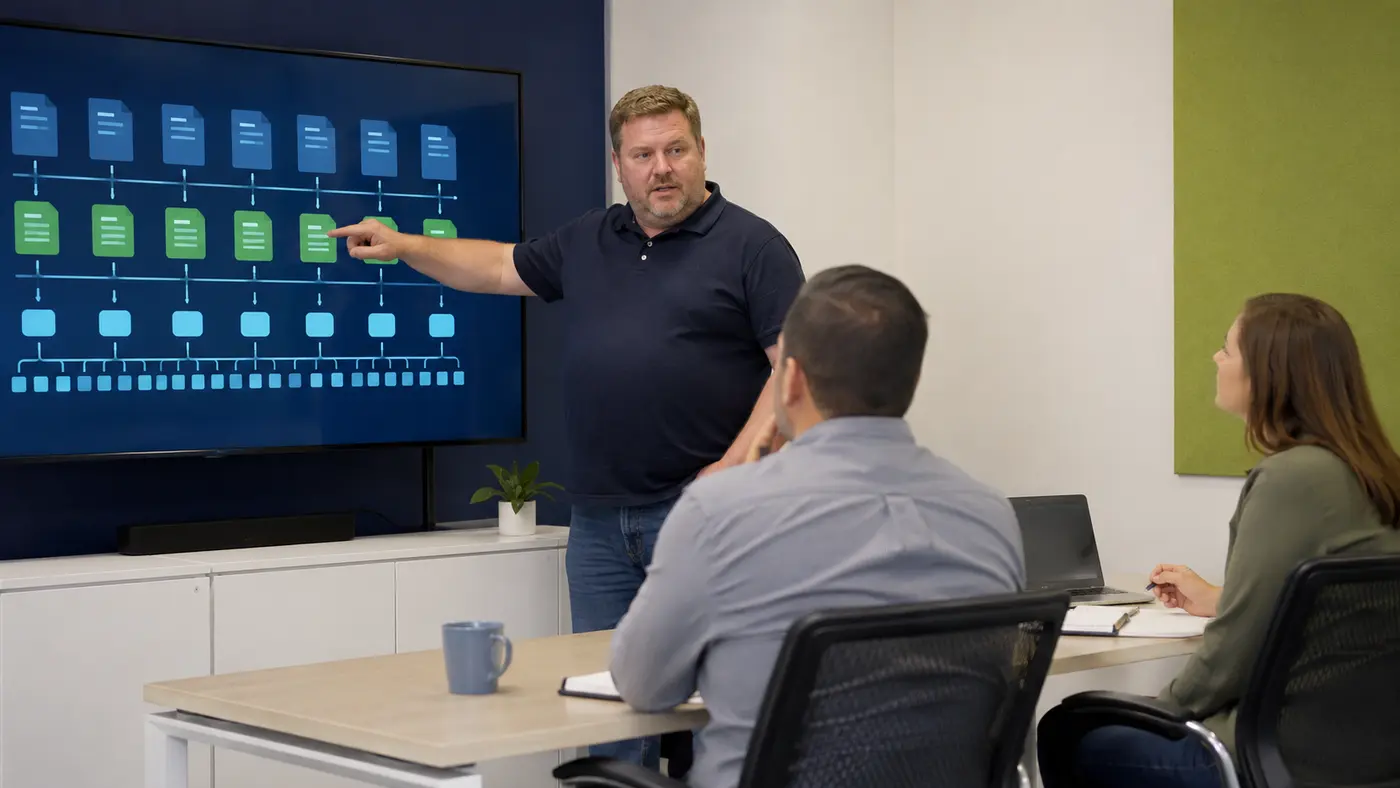
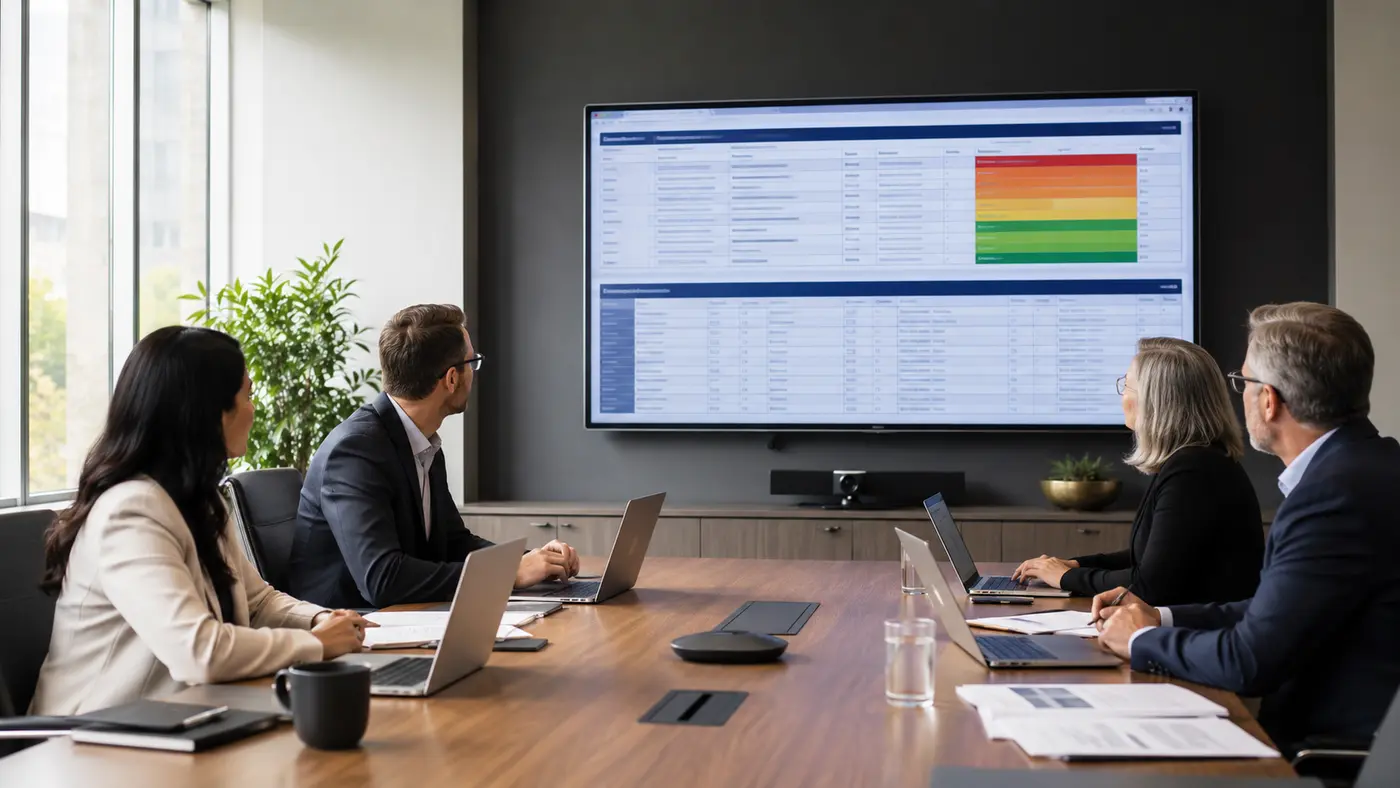
Realistic enterprise scene illustrating Large language models explained
PRACTICAL KNOWLEDGE

Large language models explained

An LLM processes language as numeric token sequences and predicts likely continuations from its context. It can apply patterns remarkably well, but has neither human understanding nor an inherent truth check.

Read article →
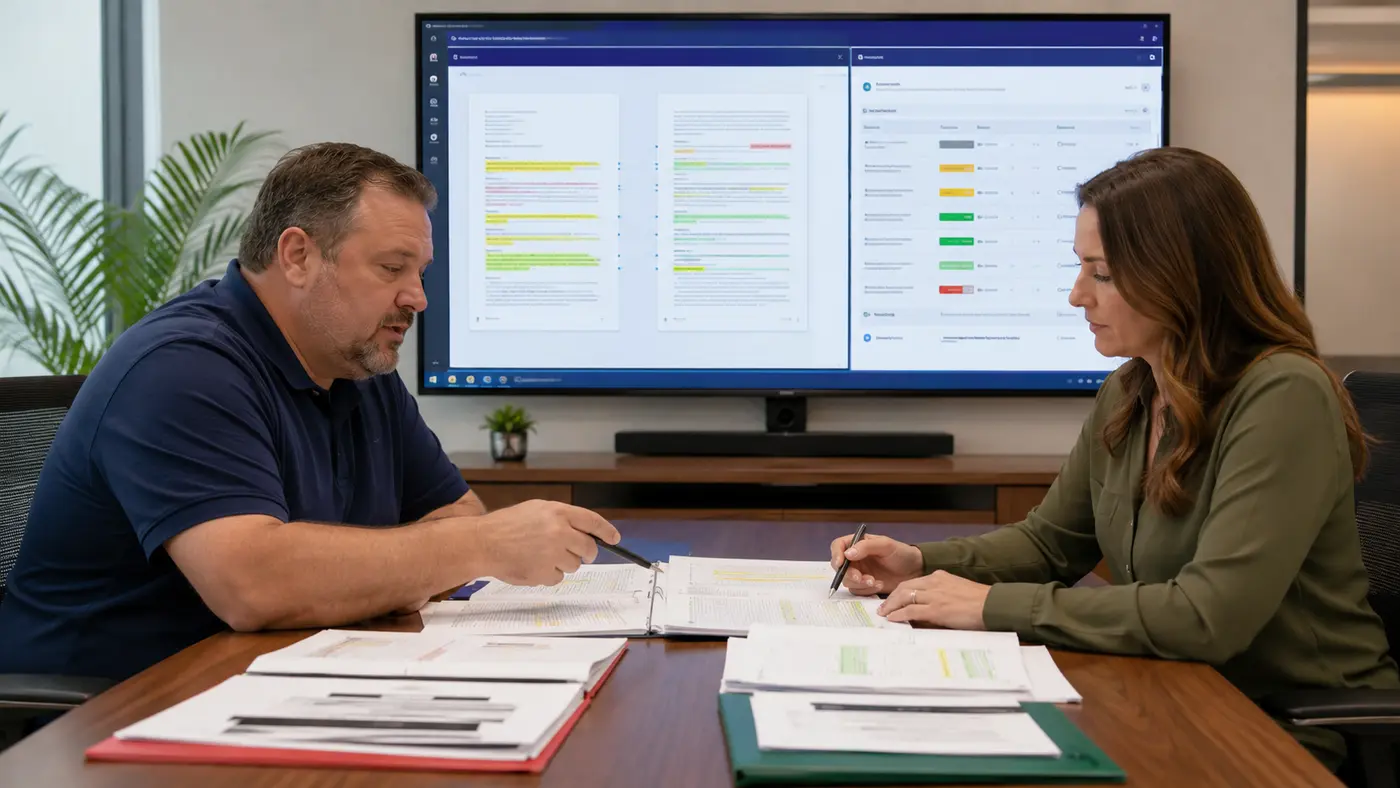
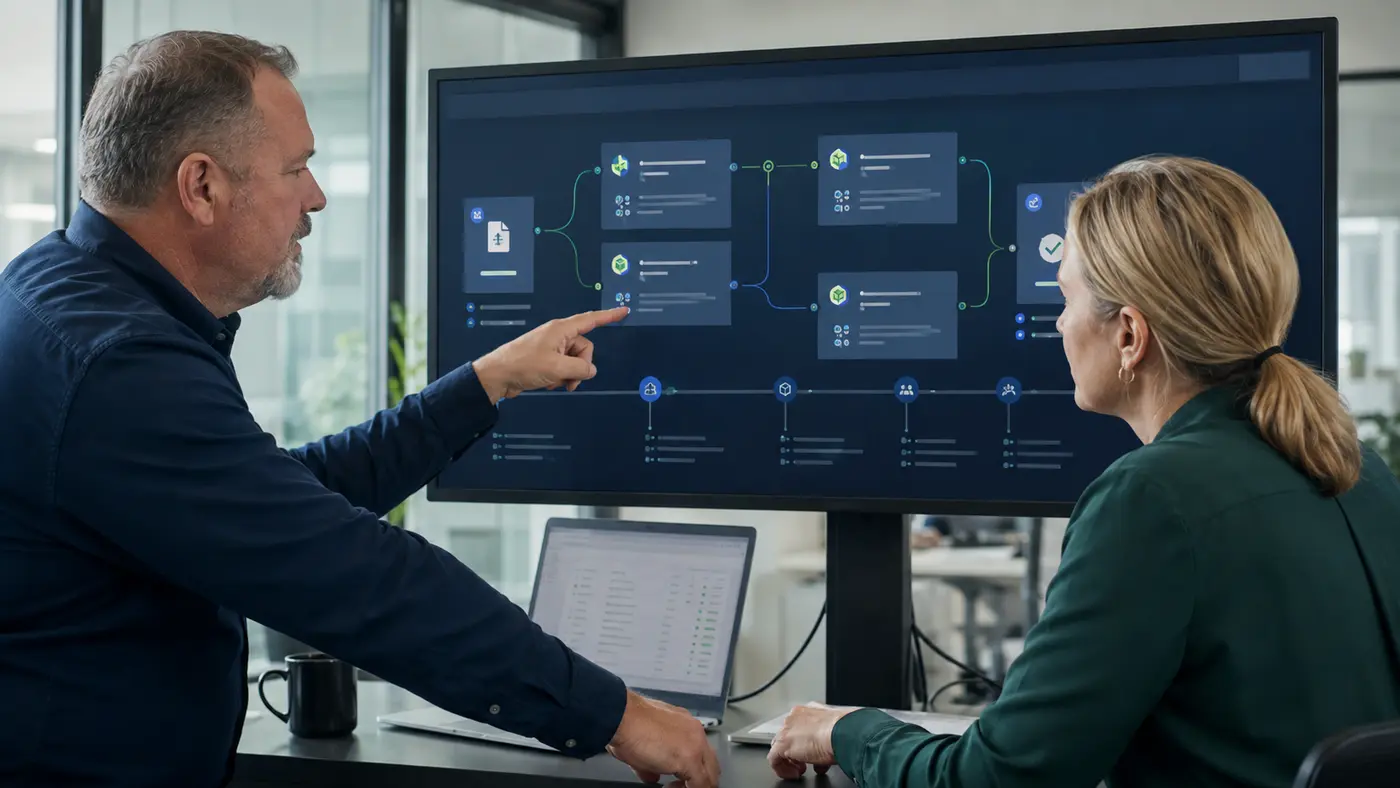
Realistic enterprise scene illustrating Detecting and reviewing AI hallucinations
PRACTICAL KNOWLEDGE

Detecting and reviewing AI hallucinations

A hallucination is an unsupported or false output that may sound plausible. It is not eliminated by more polite prompting; it is controlled through sources, review procedures, task boundaries and accountable approval.

Read article →
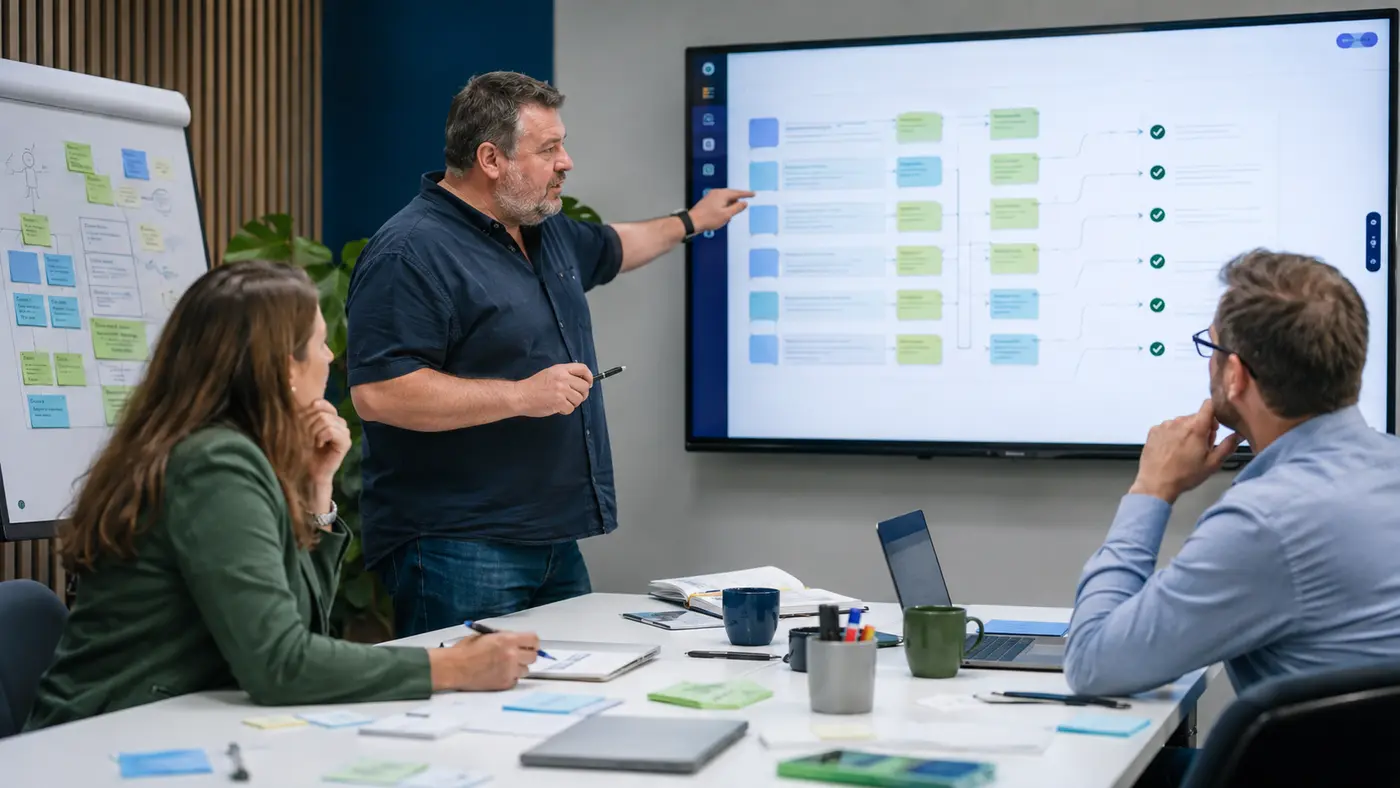
Realistic enterprise scene illustrating Using LLM context windows well
PRACTICAL KNOWLEDGE

Using LLM context windows well

A context window contains the information a model can consider during one request. More context is not automatically better: relevance, currency, consistency and structure matter more than volume.

Read article →
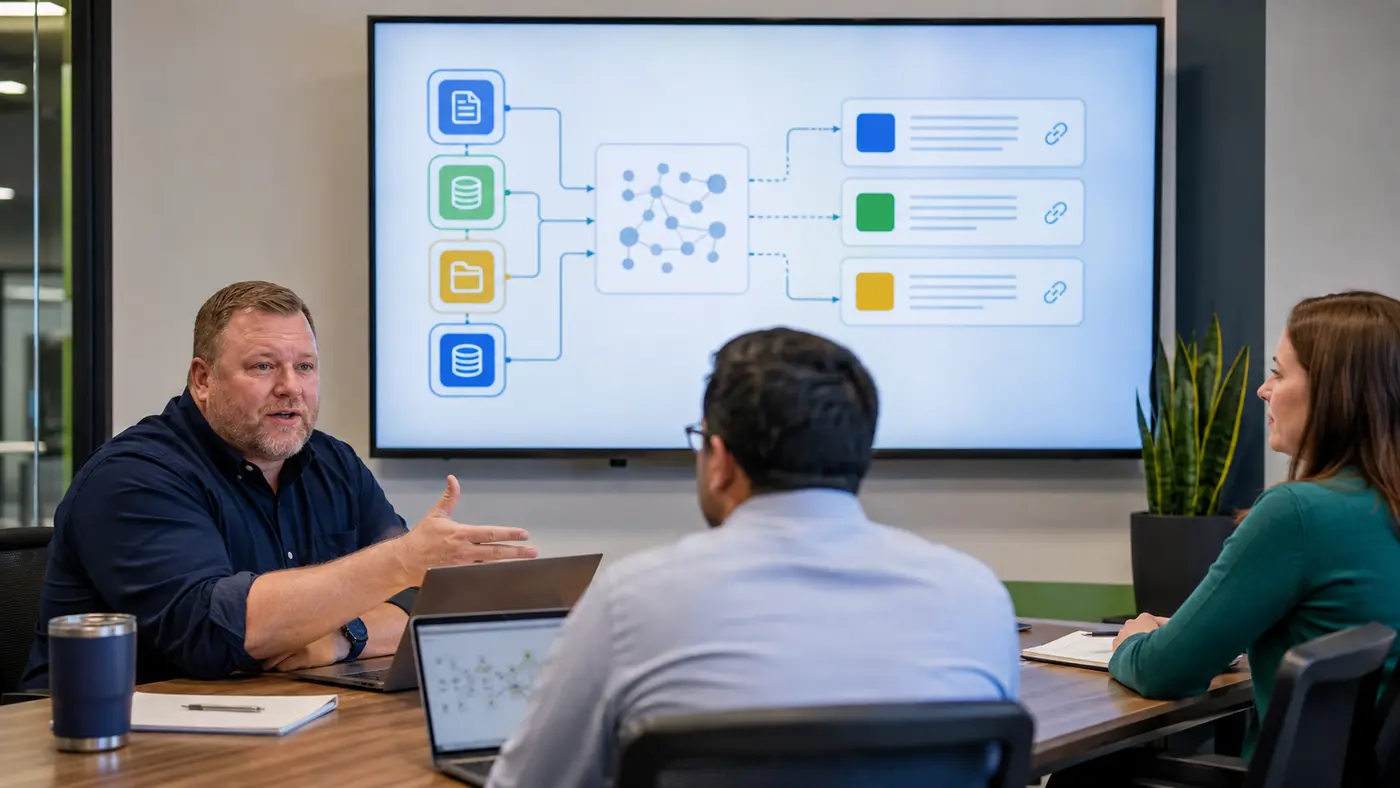
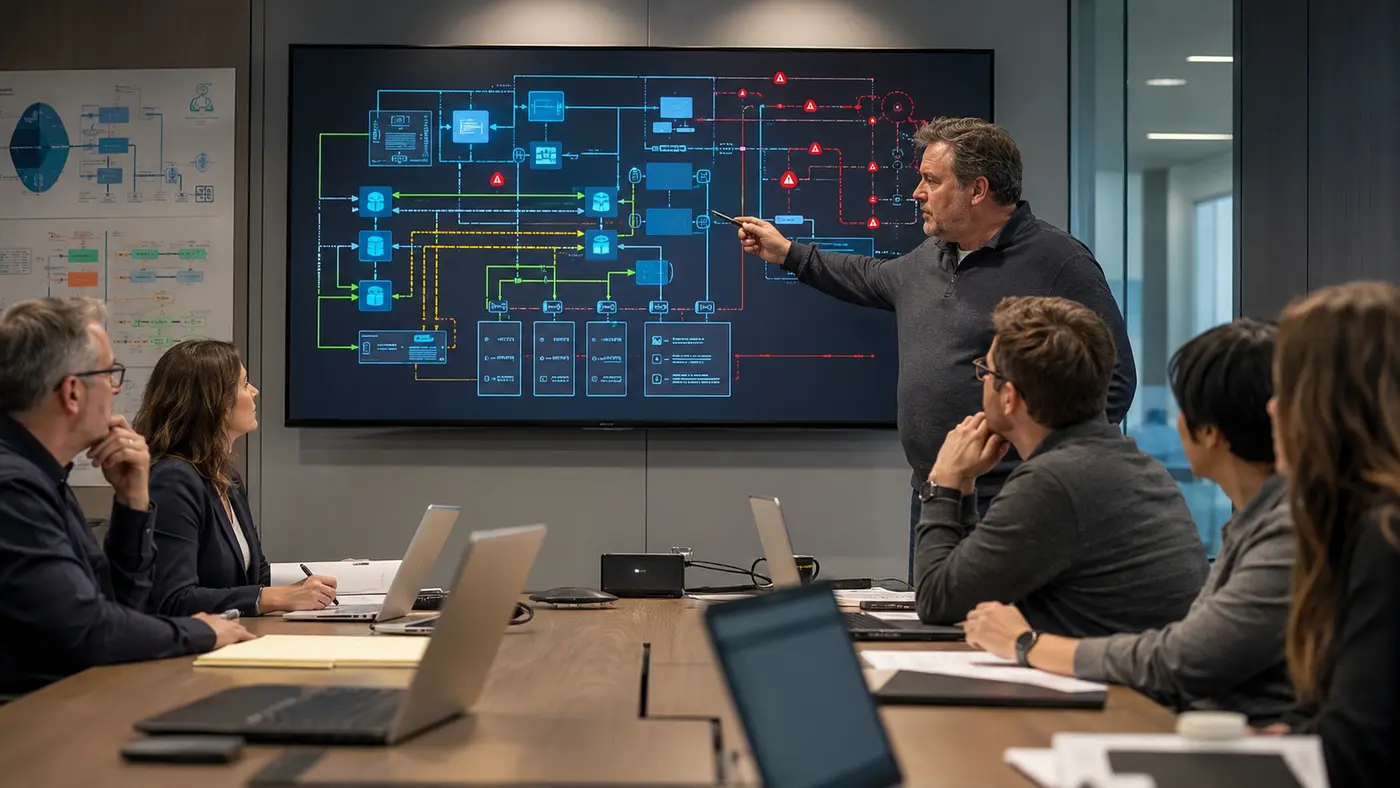
Realistic enterprise scene illustrating RAG: grounding AI in enterprise knowledge
PRACTICAL KNOWLEDGE

RAG: grounding AI in enterprise knowledge

Retrieval-augmented generation combines search and generation. Before answering, relevant content is retrieved from approved sources and supplied as context. This improves currency and verifiability but does not make answers automatically correct.

Read article →
Realistic enterprise scene illustrating Designing a reliable prompt
PRACTICAL KNOWLEDGE

Designing a reliable prompt

A reliable prompt specifies task, context, inputs, expected output, boundaries and evaluation criteria clearly enough for outputs to be assessed reproducibly and improved deliberately.

Read article →
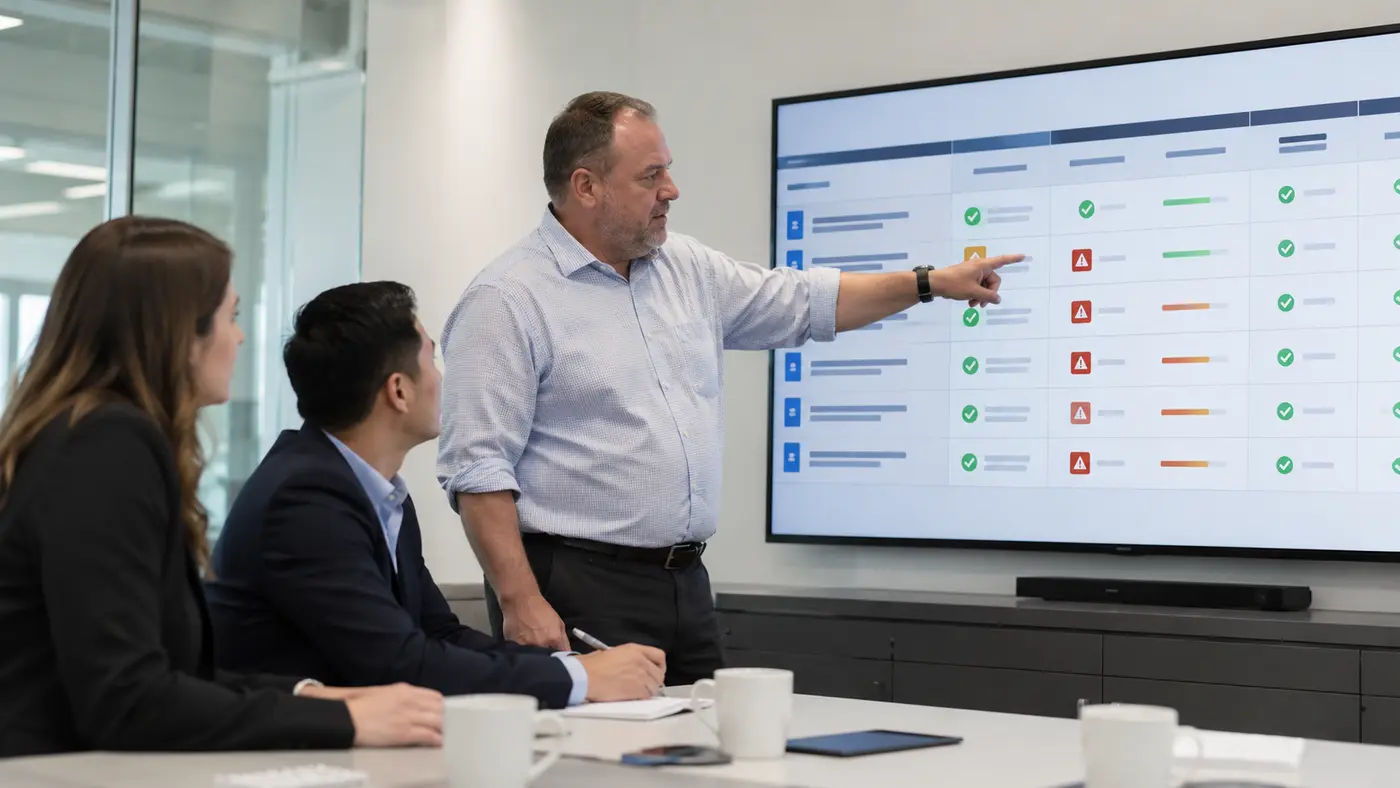
Realistic enterprise scene illustrating Building practical AI governance
PRACTICAL KNOWLEDGE

Building practical AI governance

AI governance defines who may use which AI for what purpose and data, how risks are assessed, results reviewed, exceptions handled and evidence retained. It should enable use while making accountability visible.

Read article →
Realistic enterprise scene illustrating AI traceability: what should be logged?
PRACTICAL KNOWLEDGE

AI traceability: what should be logged?

Traceability means being able to connect a material output to purpose, input version, model, prompt, sources, checks, changes and approvals. Logging all raw data is neither always necessary nor always permissible.

Read article →